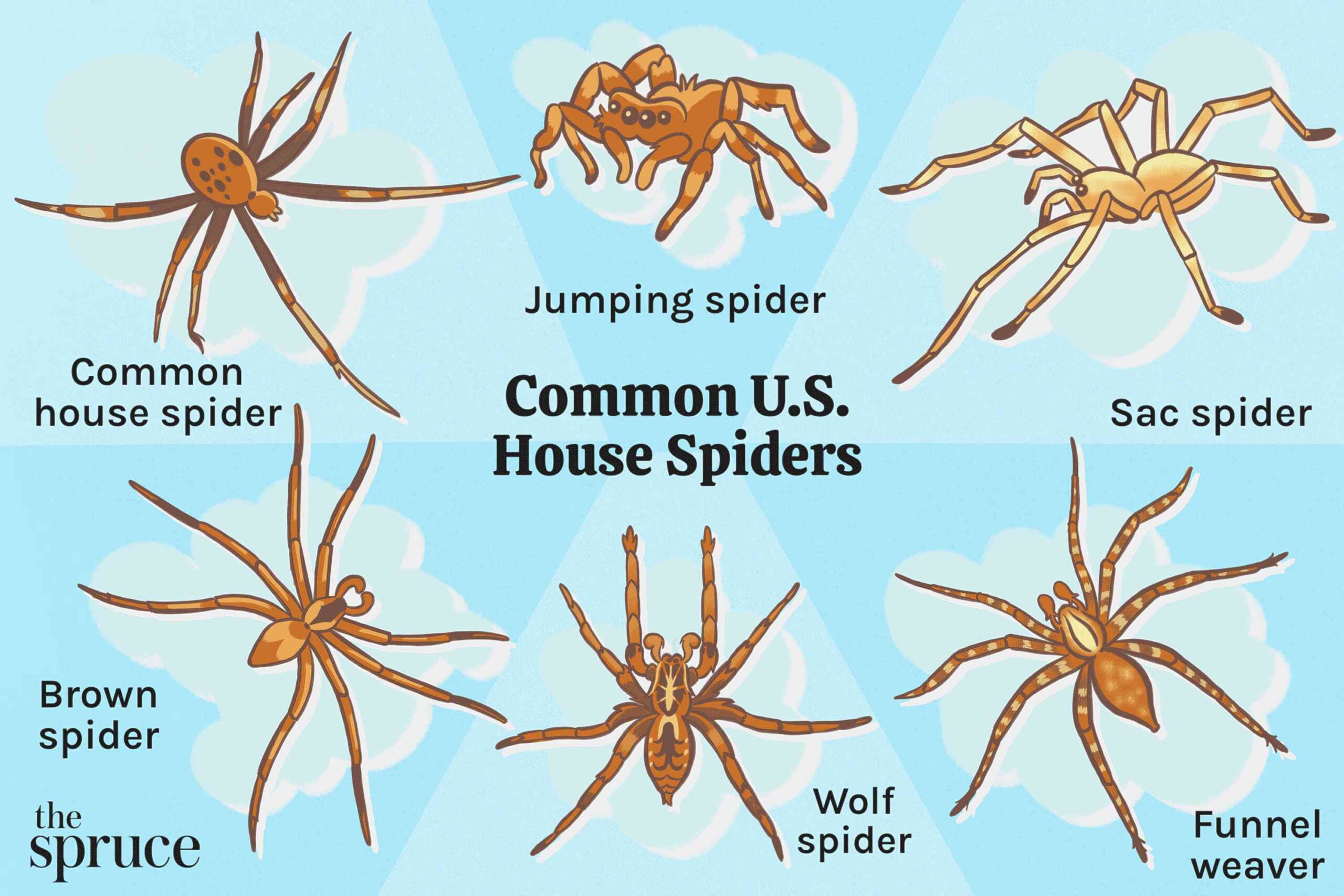
Nobody likes finding a spider in the shower at 6 AM. But in Utah, it’s practically a rite of spring. As soon as the weather warms up and insects start moving, spiders follow. They’re not coming inside because they like your house — they’re coming inside because your house is where the food is.
The good news is that most spiders in Utah are harmless. The bad news is that a couple of species aren’t, and it helps to know the difference. Here’s a straightforward breakdown of the spiders you’re most likely to encounter in a Utah home this spring, where they hide, and when you should be concerned.
Why Spring Brings Spiders Indoors
Spiders are predators. They eat other insects. When ants, flies, earwigs, and other bugs become active in spring, spiders follow the food supply. If those prey insects are congregating around your foundation, in your garage, or in your window wells, that’s where spiders will set up shop.
The other factor is mating. Several spider species in Utah mate in spring and early summer. Males become more mobile and visible as they wander around looking for females. That big spider you saw sprinting across your basement floor at midnight? Probably a male on a mission.
Homes along the east bench — Cottonwood Heights, Sandy near the canyon mouths, Draper up by the Point — tend to see more spider activity because they’re right at the edge of mountain habitat. But every part of the valley deals with spiders. It’s just a matter of species and volume.
The Spiders You’ll Actually Find in Utah Homes
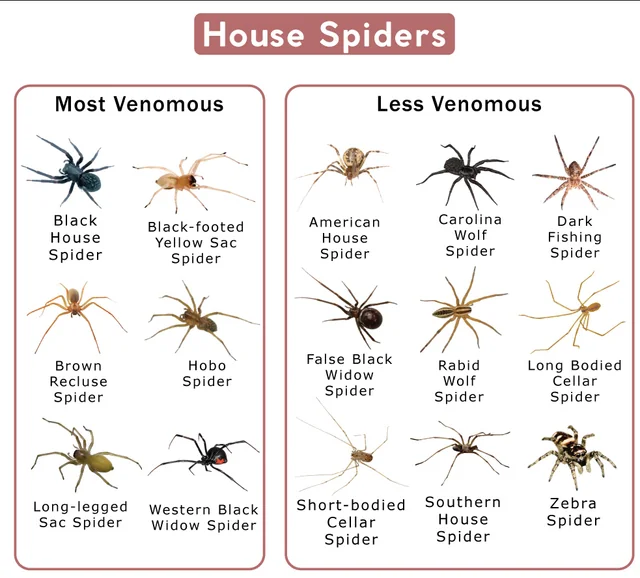
Hobo Spider
This is the one everyone asks about. Hobo spiders are medium-sized, light brown, and build funnel-shaped webs in dark, ground-level areas. Basements, window wells, behind furniture, under boxes in the garage — those are their spots.
For years, hobo spiders were classified as medically significant, and a lot of people still believe their bites cause necrotic wounds. More recent research has walked that back considerably. Current evidence suggests hobo spider bites cause localized pain and swelling but aren’t the tissue-destroying menace they were made out to be. That said, if you get bitten and the area gets worse over a day or two, see a doctor. Don’t self-diagnose spider bites — a lot of skin infections get blamed on spiders when the actual spider was never even seen.
Black Widow
This one you do need to respect. Black widows are glossy black with the red hourglass marking on their underside. They’re not aggressive — they’d rather run than fight — but they will bite if they feel trapped or pressed against skin. The venom is neurotoxic and can cause muscle pain, cramping, and nausea. Kids and elderly individuals are at higher risk for severe reactions.
In the Salt Lake Valley, black widows prefer garages, rock retaining walls, woodpiles, outdoor sheds, and cluttered storage areas. They like dry, undisturbed spots. If you’re pulling boxes out of a storage unit or flipping over rocks in your yard, wear gloves. That’s where they hang out.
Wolf Spider
Wolf spiders are the ones people freak out about because of their size. They’re big — sometimes two inches across including the legs — hairy, dark brown, and fast. They don’t build webs. They’re ground hunters that chase down their prey, which is why you usually see them running across the floor.
Despite their intimidating appearance, wolf spiders aren’t dangerous. They can bite if handled roughly, but it’s comparable to a bee sting. The bigger issue is the sheer surprise factor when one sprints across your bare foot while you’re watching TV.
Cellar Spiders (Daddy Long Legs)
These are the skinny, long-legged spiders that hang out in every basement corner in Utah. They build messy, irregular webs and are completely harmless. They actually eat other spiders, including hobo spiders, so they’re doing you a favor. Most pest control professionals won’t even recommend treating for these unless the webs are becoming a serious nuisance.
Signs You Have a Spider Problem (Not Just a Spider)
Seeing one spider doesn’t mean you have a problem. Seeing spiders regularly in the same areas does. Here’s what to watch for:
- Multiple webs accumulating in corners, window wells, or along baseboards
- Spider egg sacs — small, white, round silk balls usually tucked into cracks or corners
- Frequent sightings in the same room or area, especially at night
- A lot of other insects present (ants, flies, moths) — spiders follow the food
- Finding spiders in bathtubs or sinks (they fall in and can’t climb the smooth sides)
If you’re checking multiple boxes on that list, you’re probably dealing with an established population, not just the occasional wanderer.
Why DIY Spider Control Falls Short
Store-bought spider sprays kill on contact. That’s fine for the one you can see. But spiders don’t groom themselves the way ants do, so they don’t spread contact products back to other spiders. Each spider has to be individually contacted by the treatment, which makes residual barrier products far more effective than direct-spray consumer stuff.
The other issue is that spiders are a symptom. If you have a lot of spiders, it’s because you have a lot of prey insects. Kill the spiders but leave the ants and flies, and new spiders will move in to replace them. Professional treatment addresses the entire ecosystem — the prey insects, the spiders, and the entry points they’re using to get inside.
How We Handle Spiders in Utah Homes
Our approach starts with identifying what species you’re dealing with and where they’re concentrated. We treat the exterior perimeter with a long-lasting residual product that creates a lethal barrier spiders have to cross to enter your home. We hit window wells, door frames, eave lines, and any gaps or cracks along the foundation.
Inside, we do crack-and-crevice treatment in basements, garages, and anywhere we find harborage activity. We also remove webs and egg sacs, which directly reduces the next generation. And because spiders follow the food, our general pest treatment knocks down the prey insect population that’s drawing them in.
Quarterly service keeps the barrier fresh through every season. Spider pressure shifts through the year — spring emergence, summer peak, and the big fall migration indoors — and quarterly treatments stay ahead of each wave.
If spiders are becoming a regular fixture in your Utah home this spring, we can help. Call us at (801) 347-5272 and we’ll come take a look. No pressure, no contract required — just honest answers about what’s going on and what it’ll take to fix it.
Call (801) 347-5272 for a free spider inspection.